- A single 90-minute hyperbaric oxygen session reduced secondary cancer rates by 76% in stem cell transplant patients.
- Patients who received the treatment showed 78% less cardiac damage and 63% less kidney damage.
- The intervention costs roughly $250 to $600 per session, compared to the average $140,000 total cost of a standard autologous transplant.
- All 19 patients in the hyperbaric oxygen group tolerated the treatment without complications.
- Larger randomized trials are now needed to confirm these findings from the small pilot study.
Researchers at the University of Kansas Cancer Center have published long-term results from a pilot trial testing hyperbaric oxygen therapy before autologous stem cell transplantation.
The study, published in Frontiers in Hematology, tracked 19 patients for a median of 11.4 years and found lower rates of secondary cancers, heart damage, and kidney problems compared to a historical control group of 225 patients who received standard care.
Autologous hematopoietic stem cell transplantation is a treatment where doctors harvest a patient’s own stem cells, administer high-dose chemotherapy to destroy cancer cells, then reinfuse the stem cells to rebuild the bone marrow.
Approximately 12,000 to 14,000 Americans receive this procedure annually for blood cancers including multiple myeloma and lymphoma, according to CIBMTR data.
While effective, the procedure carries significant risks from the intense chemotherapy, including infections, bleeding, organ damage, and secondary cancers that can develop years later.
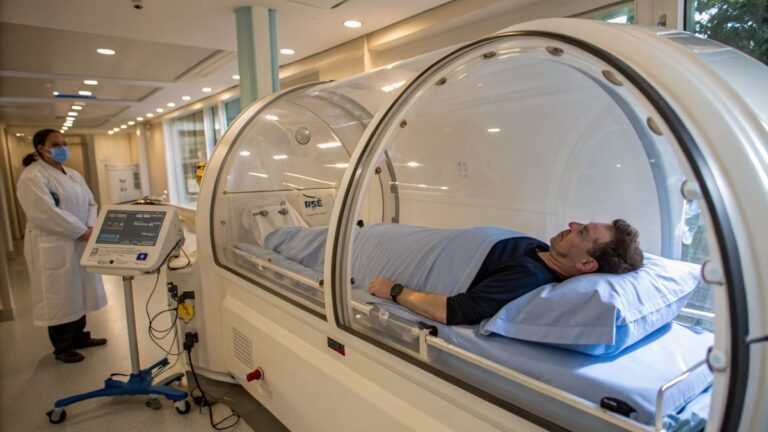
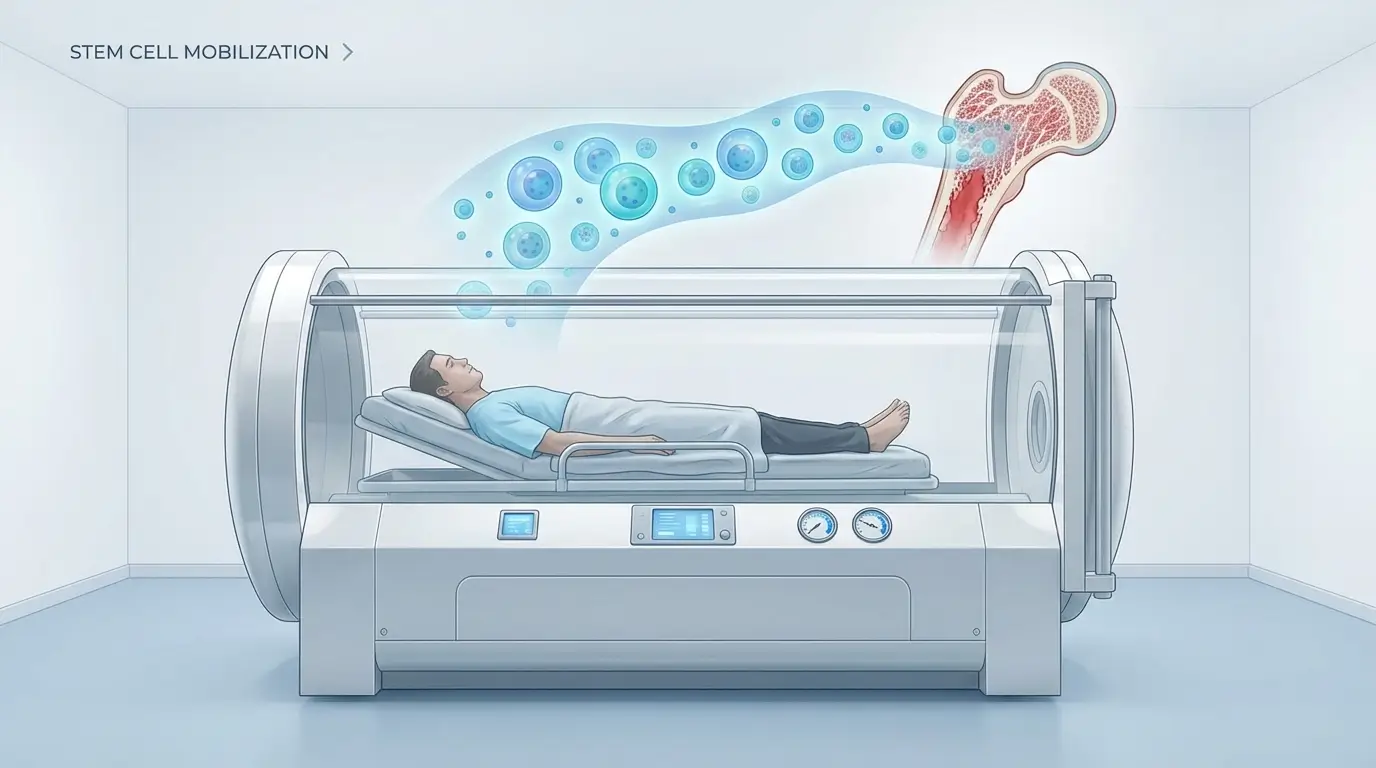
The Kansas team delivered hyperbaric oxygen at 2.5 atmospheres for 90 minutes in a pressurized chamber, completing the treatment six hours before stem cell infusion.
Patients breathed 100% oxygen during the session. The treatment targets a specific biological mechanism: erythropoietin (EPO) receptor signaling on CD34+ stem cells. Research published in Blood shows that blocking EPO-EPO receptor signaling promotes stem cell homing to bone marrow and early engraftment.
In the current study, patients who received hyperbaric oxygen before transplant showed faster blood count recovery. Neutrophil engraftment occurred at a median of 10 days versus 11 days in controls. Platelet recovery took 16 days versus 18 days.
The hyperbaric oxygen group also experienced mucositis, a painful inflammation of the digestive tract lining, at lower rates: 26.3% compared to 64.2% in the control group.
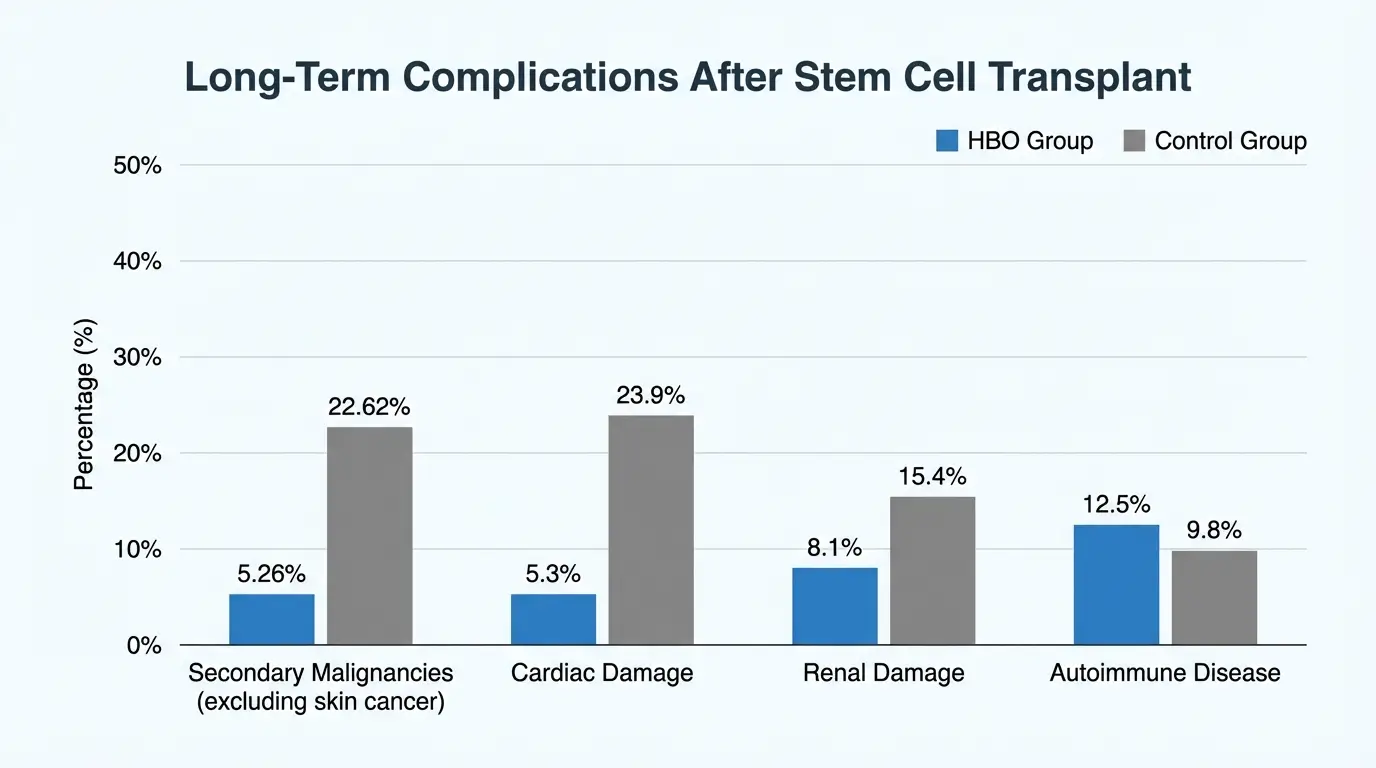
The most striking findings emerged in long-term outcomes. Secondary cancers, excluding non-melanoma skin cancers, developed in 5.26% of the hyperbaric oxygen group compared to 22.62% of controls. Cardiac damage occurred in 5.3% versus 23.9%.
Kidney damage affected 15.8% versus 42.8%.
(Ed. note: These percentage differences are large, but the small sample size means they did not reach standard statistical significance thresholds.)
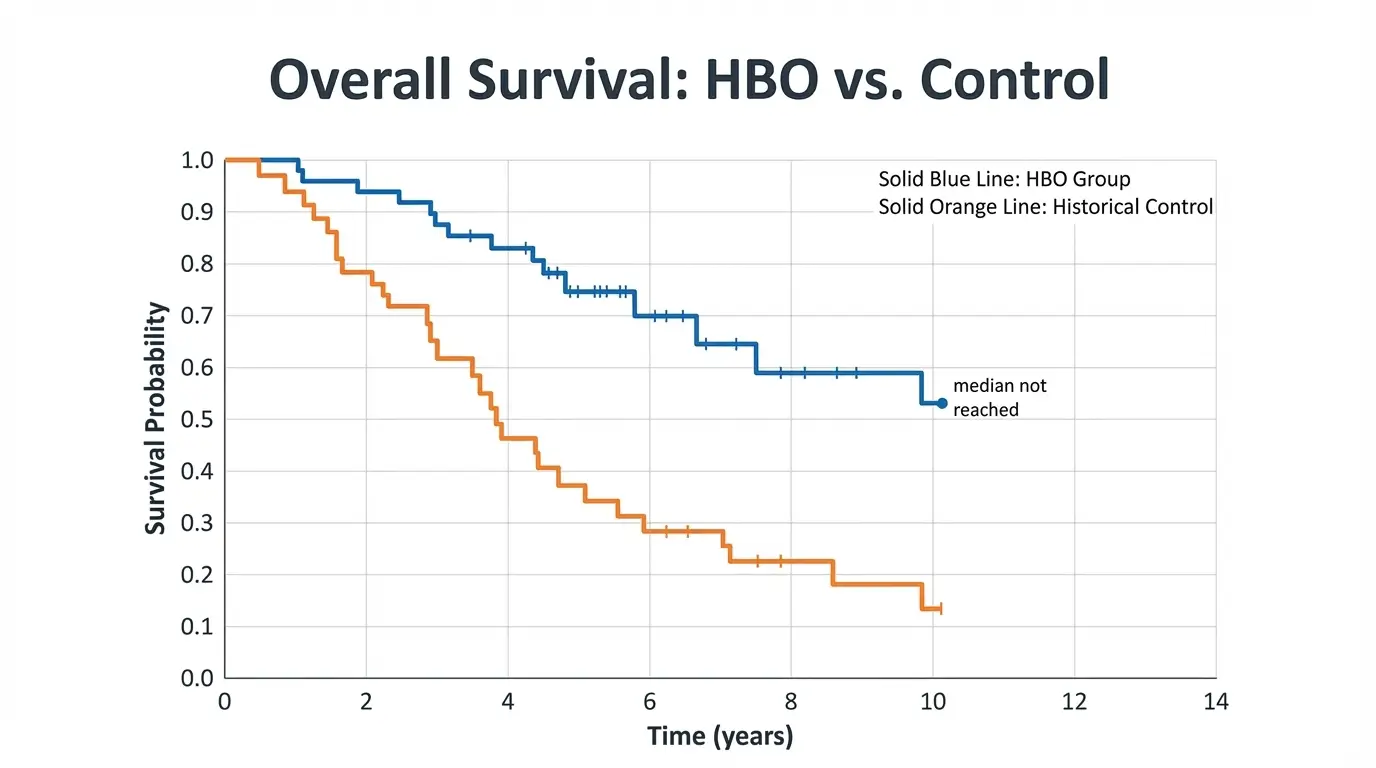
At last follow-up, 52.6% of the hyperbaric oxygen group remained alive compared to 40% of controls. Among multiple myeloma patients specifically, 66.6% in the treatment group were alive versus 30.4% in controls.
Overall survival and relapse-free survival did not show statistically significant differences between groups.
The researchers propose several mechanisms for these protective effects. A Phase II randomized trial in multiple myeloma patients found that hyperbaric oxygen accelerated lymphocyte recovery, improved T-cell reconstitution, and enhanced natural killer cell recovery after transplant.
Faster immune reconstitution may protect against chemotherapy-induced tissue injury and reduce the chronic inflammation that drives organ damage and secondary cancer development over time.
The cost implications are notable. A single hyperbaric oxygen session typically costs between $250 and $600, according to the Hyperbaric Medical Solutions clinic.
The median total cost of an autologous stem cell transplant reaches approximately $140,000, with some estimates exceeding $200,000 when accounting for all associated care.
If hyperbaric oxygen reduces complications, the modest upfront cost could generate substantial savings by decreasing hospitalizations, transfusions, and treatments for secondary conditions.
The study has clear limitations. The hyperbaric oxygen cohort included only 19 patients, and researchers compared them to a historical control group rather than conducting a randomized controlled trial.
The control patients were treated between 2008 and 2012, while the hyperbaric oxygen patients were treated in 2014. Treatment protocols and supportive care may have differed between these time periods. The single-center design also limits how broadly the results can be applied.
The authors acknowledge these constraints directly in their discussion: the study was intended as hypothesis-generating rather than definitive proof of benefit. The findings provide rationale for prospective multicenter trials powered to detect clinically meaningful reductions in complications.
Other research supports the biological plausibility of these results. Prior work from the same group demonstrated that inhibiting EPO receptor expression or reducing EPO levels through hyperbaric oxygen leads to improved stem cell engraftment in laboratory models.
Clinical studies have shown improved day-100 outcomes in umbilical cord blood transplant patients who received the treatment.
For the roughly 12,000 Americans receiving autologous transplants each year, any intervention that reduces the 5% early mortality rate or the long-term risks of secondary cancers and organ damage would represent meaningful progress.
The current evidence, while preliminary, suggests hyperbaric oxygen therapy warrants larger studies to determine whether these pilot results can be replicated.
References
- Long-term outcomes of hyperbaric oxygen pretreatment in autologous hematopoietic stem cell transplantation: a pilot clinical trial, Frontiers in Hematology, 2026
- Erythropoietin modulation is associated with improved homing and engraftment after umbilical cord blood transplantation, Blood, 2016
- CIBMTR Summary Slides and Reports
- Updated Trends in Hematopoietic Cell Transplantation in the United States, PMC
- Costs of Autologous and Allogeneic Hematopoietic Cell Transplantation, PMC
- How Much Does Hyperbaric Oxygen Therapy Cost?, Foodnourish.net