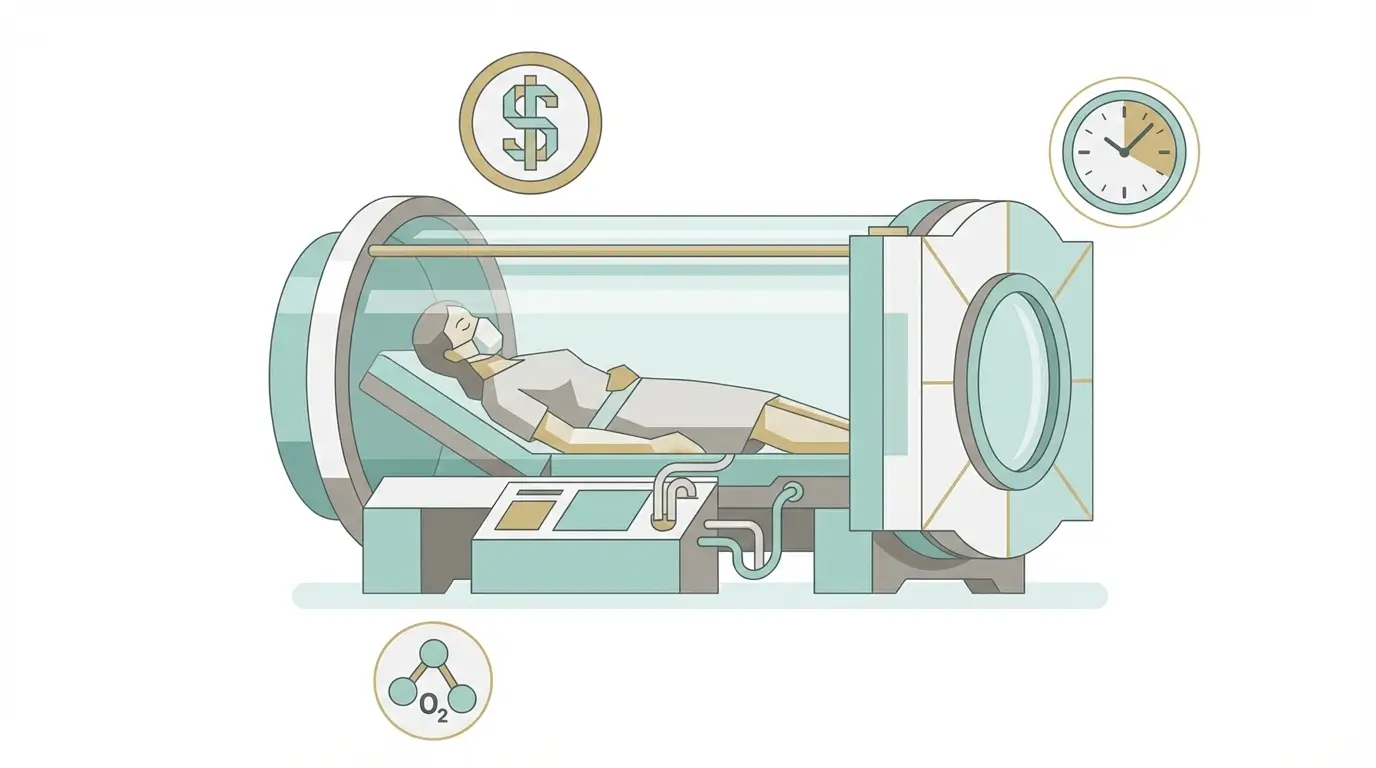
How much does hyperbaric oxygen therapy cost?
- You will pay between $75 and $450 per clinic session depending on chamber type and clinical setting. Home chamber purchases range from $5,000 to $20,000 for soft shell units [2].
- Rentals run $600 to $2,200 per month. The single biggest factor determining your total spend is whether your condition qualifies as an FDA-approved indication (on-label) or falls into off-label territory [4].
- On-label conditions trigger insurance reimbursement. Off-label conditions mean everything comes out of your pocket.
Comparison Table: The Cost of HBOT at a Glance
Scroll right to see all options →
| Clinical Hard Shell | Wellness Soft Shell | Home Rental | Home Purchase | |
|---|---|---|---|---|
| Cost Per Session | $200 – $450 | $75 – $150 | ~$20 – $35 | ~$5 – $15 |
| Upfront Cost | None (per session) | None (per session) | $600 – $2,200/mo | $5,000 – $25,000+ |
| Pressure (ATA) | 2.0 – 3.0 ATA | 1.3 – 1.5 ATA | 1.3 – 1.5 ATA | 1.3 – 1.5 ATA |
| Insurance Eligibility | Yes (on-label) | Rarely | No | No |
| Best For | Diabetic wounds, radiation injury, CO poisoning | Long COVID, Lyme, wellness | Short-term recovery (1–3 months) | Households needing 60+ sessions/year |
→ Your total bill depends on protocol length, chamber type, and insurance status. Each section below addresses one of these cost drivers.
The Core Breakdown: Cost Per Session
The per-session price is the number most patients search for first. It varies by a factor of 5x or more, depending on the type of chamber you sit in and who runs the facility.
Soft Shell (Mild HBOT): $75 – $150 Per Session
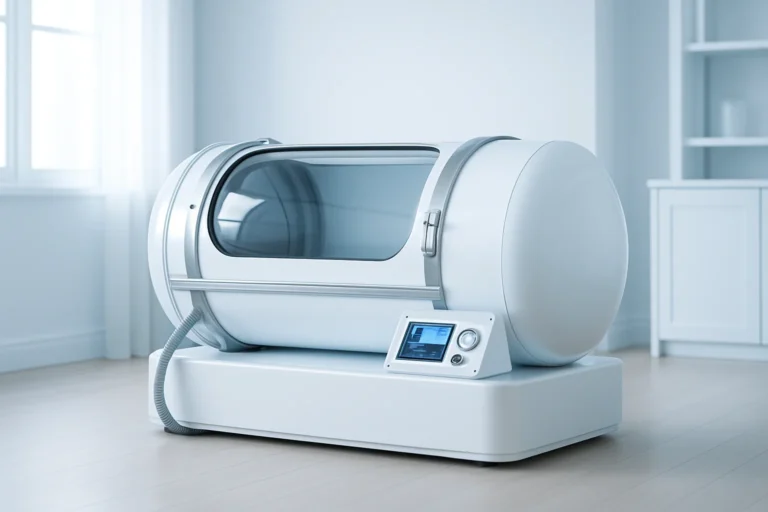
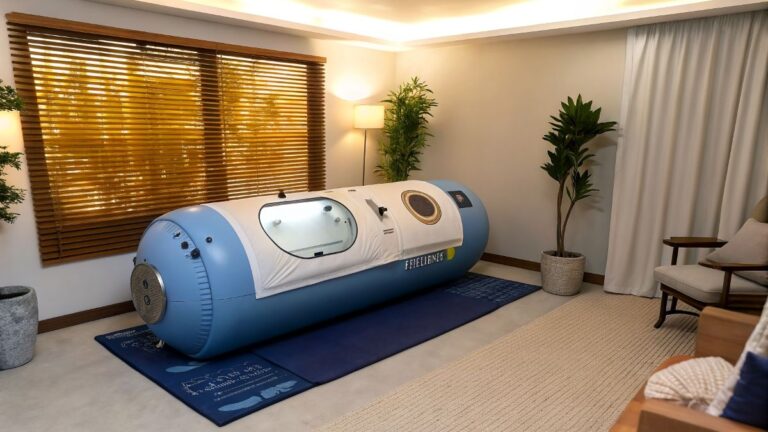
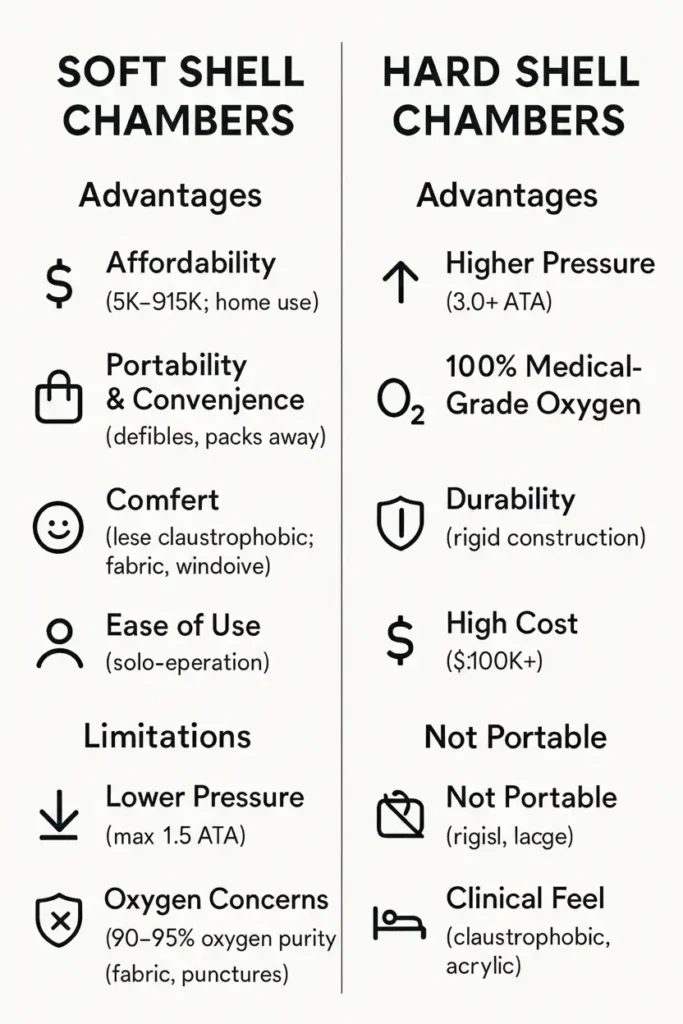
Soft shell chambers operate at lower pressures, typically 1.3 ATA. They use ambient air pushed through a portable oxygen concentrator rather than liquid medical-grade oxygen. No physician needs to attend your session.
These three factors, lower pressure, no liquid oxygen, and no required physician supervision, keep the operating cost for the clinic low. That saving flows directly to you.
Most wellness clinics, integrative medicine offices, and biohacker studios use soft shell chambers.
“Is 1.3 ATA even enough to do anything?”
We hear this question often. At 1.3 ATA, your blood oxygen levels increase to approximately 3 to 4 times normal atmospheric levels.
That is lower than what a monoplace hard shell delivers at 2.4 ATA, but it remains clinically relevant for inflammatory and neurological conditions being studied in ongoing research [4].
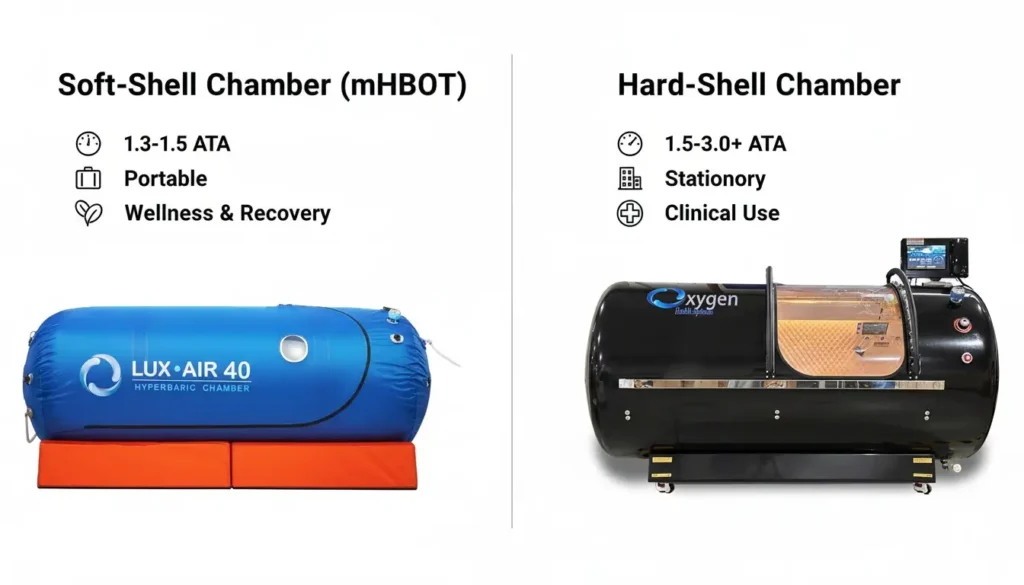
Hard Shell (Medical HBOT): $200 – $450 Per Session
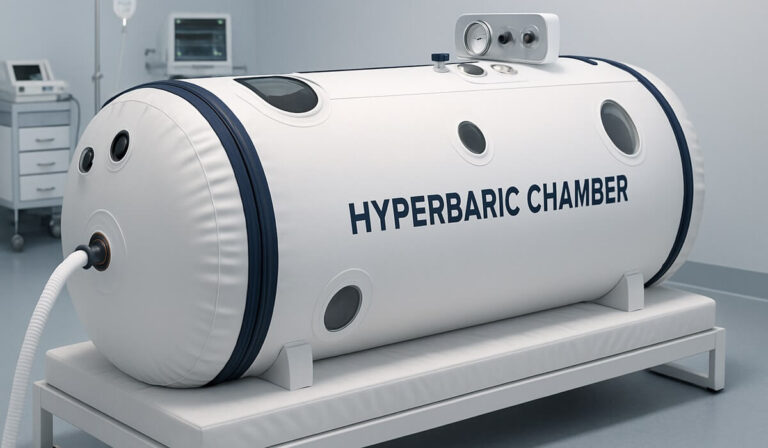
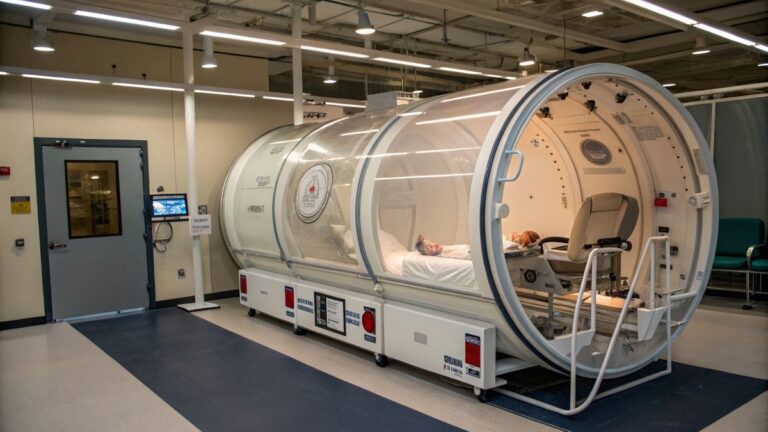
Hard shell chambers (monoplace or multiplace) deliver 100% oxygen at pressures between 2.0 and 3.0 ATA.
These units require liquid oxygen supplies, regular safety inspections, and a physician present during treatment (CPT 99183 covers physician supervision per session) [5].
A dedicated technician monitors the chamber throughout. National average reimbursement for CPT 99183 across major payers ranges from approximately $174 to $184 per session [6].
Every one of those cost inputs pushes the price up. Private clinics specializing in HBOT typically charge $200 to $400 per session [2].
Urban clinics in markets like New York, Los Angeles, and Miami charge 20% to 40% more than clinics in smaller cities [2].
Hospital vs. Private Clinic Pricing
Hospital-based HBOT programs charge $1,000 or more per session [2].
Hospitals carry overhead that standalone clinics do not, including emergency response teams, facility fees, and administrative layers. Hospitals bill using HCPCS code G0277 for the facility component (per 30-minute interval) in addition to CPT 99183 for physician supervision [5][7].
Private clinics running the same monoplace chamber charge $250 to $400. Same oxygen. Same pressure. Different billing structure. If your condition allows outpatient treatment, a private clinic will almost always cost less.
Now that you understand the per-session math, the next question becomes how many sessions you actually need.
The Real Number: Total Protocol Cost
One session will not produce meaningful results for most conditions.
Protocols range from 5 sessions (post-surgery) to 60 sessions (radiation injury). Your real financial commitment is the total protocol cost, not the per-session price. Budget accordingly before you start.
Standard Protocol Math
We calculated total out-of-pocket costs (before insurance) using a mid-range private clinic rate of $300 per hard shell session and $100 per soft shell session.
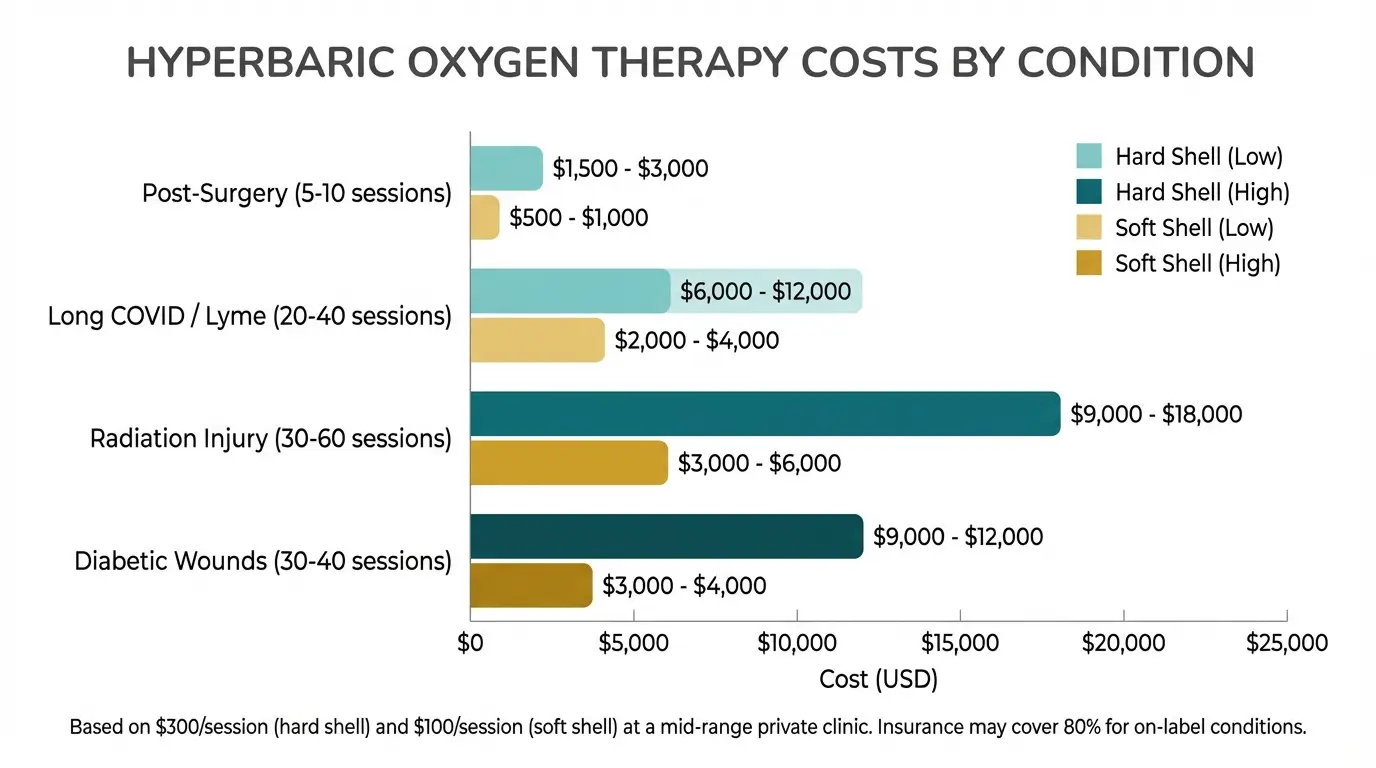
Post-Surgery Recovery (5–10 sessions)
- Hard shell estimate: $1,500 to $3,000
- Soft shell estimate: $500 to $1,000
Long COVID or Lyme Disease (20–40 sessions)
- Hard shell estimate: $6,000 to $12,000
- Soft shell estimate: $2,000 to $4,000
Radiation Injury (30–60 sessions)
- Hard shell estimate: $9,000 to $18,000 (Ed. note: Radiation injury is one of the strongest on-label indications; insurance may cover 80% of this cost under Medicare.)
Diabetic Wound Healing (30–40 sessions)
- Hard shell estimate: $9,000 to $12,000 Insurance typically covers this if wound meets specific criteria under NCD 20.29 [8].
These numbers hit hard when you see them together. Would you commit to $12,000 without knowing whether insurance will contribute? Most people would not. That is why the insurance question matters more than per-session price.
Estimate Your Total Protocol Cost
With 15% package discount: $5,100 – $10,200
Package Discounts
Most private clinics offer package pricing when you buy blocks of 10 or 20 sessions. Typical discounts run 5% to 15% off the single-session rate [2].
A clinic charging $300 per session might offer a 10-session block at $270 each (saving $300 total) or a 20-session block at $255 each (saving $900 total).
Some clinics offer memberships with discounts reaching 30% to 40% off per-session rates for patients committing to 3 or more sessions per week [2].
→ Always ask for package pricing BEFORE you start. Clinics rarely offer retroactive discounts on sessions already completed.
Insurance Coverage: The “On-Label” Gatekeeper
Insurance coverage for HBOT depends on one distinction, whether your diagnosis is FDA-approved (on-label) or not.
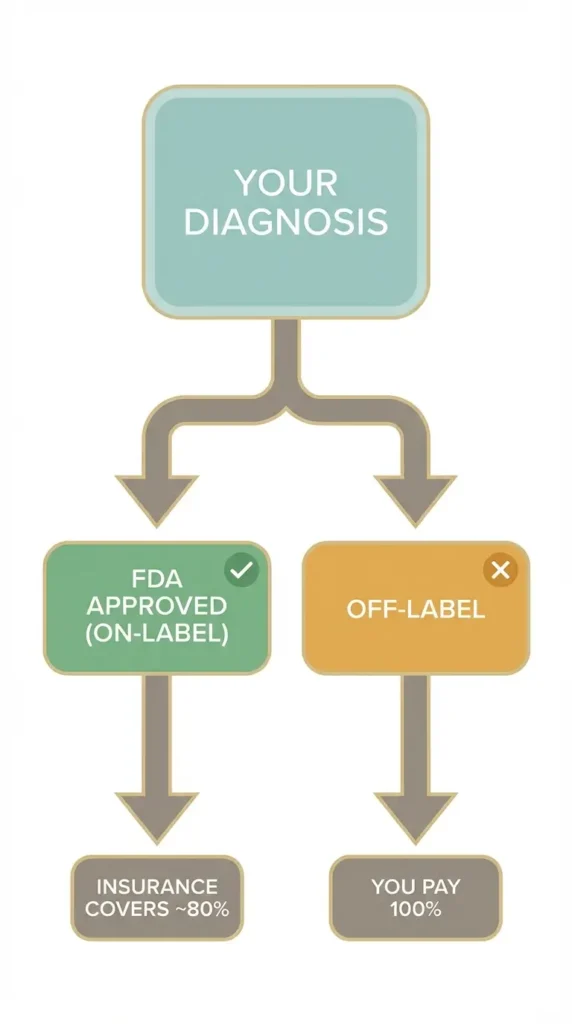
FDA-Approved Indications (On-Label; Insurance Pays)
The FDA and the Undersea and Hyperbaric Medical Society (UHMS) recognize approximately 14 conditions for HBOT [4][8].
The most common on-label diagnoses that trigger insurance reimbursement include diabetic wounds of the lower extremities (when standard treatment has failed for 30+ days), carbon monoxide poisoning, radiation tissue injury (soft tissue and bone), and gas gangrene.
If your diagnosis falls into this category, Medicare Part B covers HBOT with the patient responsible for approximately 20% of the Medicare-approved amount [9].
Hospitals bill the facility fee using HCPCS code G0277 per 30-minute interval. CMS corrected the 2024 OPPS rate for G0277 to $132.21 per 30-minute segment after the AHA flagged a technical error [10].
A typical 90-minute session billed at 3 units of G0277 yields a facility reimbursement of approximately $396. The physician supervision component (CPT 99183) adds roughly $112 to $123 nationally [5].
For a 40-session protocol billed to Medicare, the total allowed amount could reach $20,000 or more. Medicare covers approximately 80%, leaving you responsible for roughly $4,000 out of pocket (before any supplemental coverage).
Off-Label Conditions (You Pay)
If your condition is off-label, insurance will not cover HBOT. This category includes most of the conditions that drive patients to search for HBOT pricing online, including Long COVID, Lyme disease, anti-aging protocols, sports recovery, autism spectrum support, and post-stroke rehabilitation.
“Can I appeal an insurance denial for off-label HBOT?”
You can try, but success rates are low. Private insurers follow CMS guidelines closely, and off-label HBOT lacks the clinical trial data most payers require for exception approvals.
On-Label (Insurance Pays)
Off-Label (You Pay 100%)
Strategies for Off-Label Patients
You have three options to reduce your out-of-pocket burden if you fall into the off-label category.
HSA and FSA accounts accept HBOT expenses when prescribed by a licensed physician. A doctor’s prescription (even for an off-label condition) typically satisfies the IRS requirement for a “medical expense.” This effectively gives you a 25% to 35% discount depending on your tax bracket [11].
CareCredit and medical financing programs offer 0% APR promotional periods (typically 6 to 24 months) for HBOT at participating clinics [2].
The VA announced in 2024 that it would begin offering HBOT to a limited number of veterans with treatment-resistant PTSD, even though PTSD remains off-label [12]. If you are a veteran, ask your VA provider about eligibility.
Your insurance status determines whether you pay $4,000 or $18,000 for the same protocol. With that settled, the next decision is where you receive treatment.
Home Ownership: Renting vs. Buying a Chamber
For patients needing 20 or more sessions, the math starts to favor home-based treatment. Renting or buying a chamber eliminates per-session clinic fees and gives you unlimited access on your schedule.
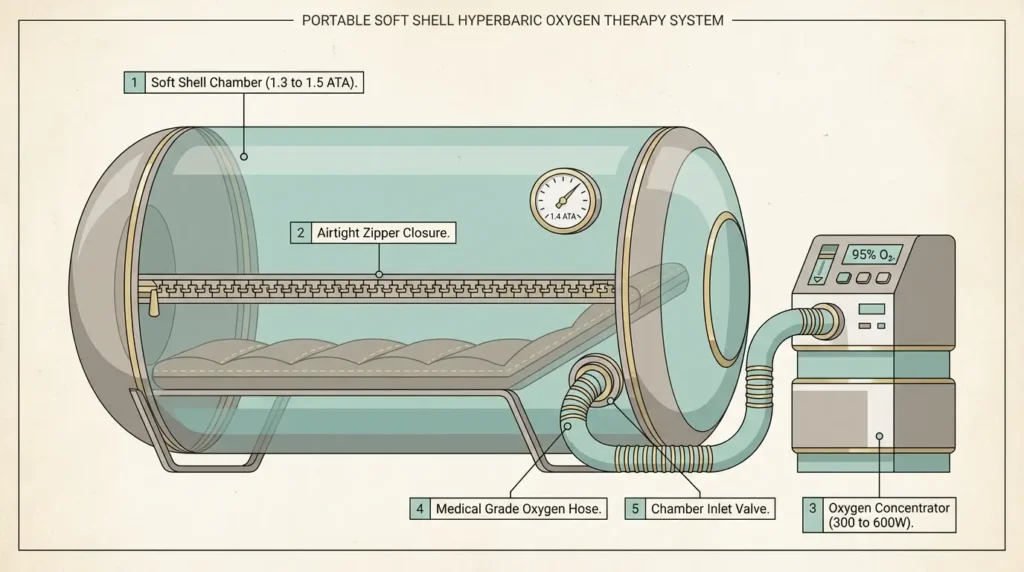
Renting a Chamber: $600 – $2,200 Per Month
- Soft shell chamber rentals range from $600 to $1,200 per month.
- Semi-hard models run $1,000 to $1,500 per month.
- High-end units with integrated oxygen concentrators reach $2,200 per month at some providers.
Rental agreements typically require a minimum commitment of 1 to 3 months and a refundable security deposit equal to 50% of one month’s rent [2].
Most rental companies include the oxygen concentrator and basic training. Some apply 80% of rental fees toward eventual purchase.
The rental advantage is simple math.
If your clinic charges $150 per soft shell session and you need 5 sessions per week, you spend $3,000 per month at the clinic.
A rental at $1,000 per month with unlimited sessions saves you $2,000 every month.
The downside?
- Home rentals are limited to soft shell chambers (1.3 to 1.5 ATA).
- They produce noise from the compressor.
- They take up significant floor space.
- And you will not have medical supervision during sessions.
Buying a Chamber: $5,000 – $25,000+
Entry-level soft shell chambers (1.3 ATA) start around $2,500 to $4,000. Advanced soft shell units rated for 1.5 ATA cost $6,000 to $10,000.
Premium soft shells with larger interiors and integrated oxygen systems reach $15,000 to $20,000 [2].
Hard shell clinical-grade units for home use start at $30,000 and climb past $150,000.
The Break-Even Calculation
If your household needs more than 60 total sessions, buying a $7,000 soft shell chamber costs less than visiting a clinic at $150 per session.
At 60 sessions x $150 = $9,000 in clinic fees. The $7,000 chamber pays for itself by session 47 and every session after that is functionally free (minus electricity and maintenance).
For a family where multiple members use the chamber, the break-even arrives even faster.
When Does Buying Beat the Clinic?
Every session after #47 costs you only electricity. For a family where multiple members use the chamber, break-even arrives even faster.
Resale Value
High-quality soft shell chambers from established brands (OxyHealth, Summit to Sea, Newtowne) hold their value reasonably well on the secondary market. Used units from these brands sell for roughly 40% to 60% of original retail price, depending on age and condition [13].
One listing we found showed a Vitaeris 320 originally priced at $23,000 selling used for $11,000, a retention of approximately 48% [13].
Knowing you can recoup a significant portion of your purchase price reduces the financial risk of buying.
Hidden Costs You Must Budget For
The session price or chamber purchase price is not your full cost. Several additional expenses catch patients off guard.
Costs Often Missing From Quoted Prices
These hidden costs add 10% to 20% on top of your base therapy spend. Factor them in before committing.
- Initial Consultation Fees. Most clinics require a medical evaluation before starting HBOT. These consultations cost $100 to $400 and are typically NOT included in session package pricing [2]. Some clinics charge $225 and require a follow-up evaluation every 10 sessions.
- Masks, Hoods, and Disposables. Hard shell chambers use individual oxygen masks or hoods. Expect a one-time cost of $20 to $100 for personal equipment. Some clinics include this in the session fee; many do not.
- Ear Clearing and ENT Consults. HBOT involves pressurization, which stresses your eardrums and sinuses. Patients who cannot equalize pressure may need ENT evaluation ($150 to $300) or myringotomy tubes before starting treatment. Oxygen toxicity, while rare (fewer than 10% of patients experience seizure-related events at treatment pressures), requires screening for patients with pre-existing seizure disorders [14].
- Electricity for Home Users. An oxygen concentrator runs continuously during each session. Typical consumption is 300 to 600 watts per hour. At average U.S. electricity rates, this adds $5 to $15 per month for daily users.
- Annual Maintenance for Home Chambers. Budget $2,000 to $3,000 per year for calibration, part replacements, and professional safety inspections on home units [2].
→ These costs add 10% to 20% on top of your base therapy spend. Factor them into your budget before committing.
How to Lower Your Costs (Tactical Advice)
How We Researched This (Methodology)
- We reviewed pricing data from 10+ clinic websites across the United States (sourced in late 2024 through early 2026).
- We analyzed the CMS fee schedules for HCPCS code G0277 and CPT 99183 using publicly available OPPS payment files.
- We aggregated rental cost data from 4 national home chamber suppliers (Affordable Hyperbaric Solutions, Airvida Chambers, CEO2 Health, and Axon Integrative Health).
- All insurance coverage information references the CMS National Coverage Determination 20.29 for hyperbaric oxygen therapy and the Medicare.gov coverage page.
- Payer reimbursement data for CPT 99183 comes from PayerPrice.com, which publishes negotiated rates under federal transparency rules.
Prices change. Geographic variation is significant. We encourage you to collect 2 to 3 quotes from local providers before committing.
Frequently Asked Questions
Citations and References
- [2] Lannx Medical, “Hyperbaric Oxygen Therapy Costs 2026: Clinic vs. Home Price Guide”, January 2026
- [4] UHMS, “HBO Indications”, 2020
- [5] UHMS, “Regulatory Affairs: Reimbursement and Payment”, accessed February 2026
- [6] PayerPrice, “CPT Code 99183 Fee Schedule 2026”, verified February 2026
- [7] Hyperbaric Medicine, “Medicare Billing for Hyperbaric Oxygen Therapy”, accessed February 2026
- [8] CMS, “NCD: Hyperbaric Oxygen Therapy (20.29)”, accessed February 2026
- [9] Medicare.gov, “Hyperbaric Oxygen Therapy Coverage”, accessed February 2026
- [10] American Hospital Association, “CMS Corrects OPPS Payment Rate for Hyperbaric Oxygen Therapy”, December 2023
- [11] IRS Publication 502, Medical and Dental Expenses, accessed February 2026
- [12] VA.gov, “VA to Provide Hyperbaric Oxygen Therapy to Some Veterans with Chronic PTSD”, 2024
- [13] Incoming Clarity, “Used Vitaeris 320 Hyperbaric Chamber for Sale”, accessed February 2026
- [14] NIH/PMC, “Hyperbaric Oxygen Therapy: Side Effects Defined and Quantified”, 2017
- [15] ClinicalTrials.gov, Hyperbaric Oxygen Search Results, accessed February 2026
- [16] HBOT 4 Heroes, Homepage, accessed February 2026
- [17] Rocky Mountain Hyperbaric Association, “HBOT for Brain Injuries”, accessed February 2026
- [18] Hyperbaric Vermont, “Financial Resources”, accessed February 2026