Hyperbaric oxygen therapy (HBOT) delivers pure oxygen at pressures higher than normal atmospheric levels. In a home setting, people use HBOT for wellness optimization, athletic recovery, inflammation reduction, and support for various chronic conditions. The therapy works by increasing oxygen concentration in your blood plasma, which can enhance cellular repair and reduce inflammation. [1]

This guide provides a clear framework for making an informed purchase decision. You’re considering a significant investment, one that ranges from $5,000 to over $50,000 depending on the chamber type. Getting this choice right matters for your health outcomes and your wallet.
The stakes are high.
- Choose poorly and you waste money on equipment that doesn’t meet your needs or, worse, poses safety risks.
- Choose wisely and you gain years of convenient, effective therapy that pays for itself many times over.
Home Chamber vs. Clinic Sessions: A Cost & Convenience Breakdown
Before diving into chamber specifications, you need to understand the financial reality. Is buying a home unit actually worth it compared to visiting a clinic?
The Financial Equation: Long-Term Savings
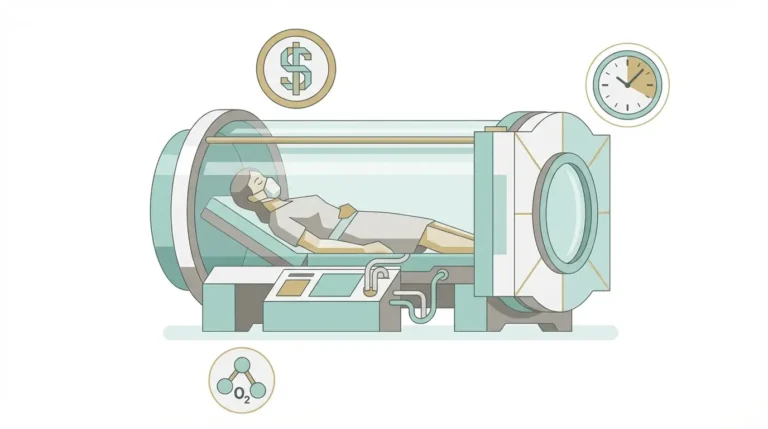
A single HBOT session at a clinic costs between $150 and $400, with most facilities charging $200 to $250 per hour-long session. [2] These prices vary by location, with major metropolitan areas commanding premium rates.
Standard therapeutic protocols require 20 to 40 sessions for meaningful results. Basic math reveals the total cost:
- 20 sessions at $200 = $4,000
- 40 sessions at $250 = $10,000
- 60 sessions at $300 = $18,000
Most conditions requiring HBOT benefit from ongoing maintenance therapy. Athletes using HBOT for recovery might need 2-3 sessions weekly. Over a year, that’s 100+ sessions. At $200 per session, you’re looking at $20,000 annually.
A quality soft-shell home chamber costs $8,000 to $20,000. A hard-shell unit runs $30,000 to $100,000. The break-even point for a soft-shell chamber occurs after approximately 40-100 clinic sessions, achievable within 6-12 months for regular users. [3]
The family advantage multiplies these savings dramatically. One chamber serves multiple household members. If three family members each need 30 sessions annually, clinic costs total $18,000 per year (at $200/session). A $15,000 home chamber pays for itself in under one year.
“For families or individuals committed to long-term therapy, the math is undeniable,” notes Dr. Jason Sonners, a chiropractor and HBOT specialist. “The initial investment becomes negligible when spread across years of use and multiple family members.” [4]
The Convenience Factor: Therapy on Your Schedule
Financial savings tell only half the story. Time savings matter equally.
- Time Savings: Each clinic visit consumes 2-3 hours when you factor in travel, parking, check-in, waiting, the session itself, and the return trip. For 40 sessions, that’s 80-120 hours, equivalent to two full work weeks. Home therapy eliminates all travel time. Sessions fit into your morning routine, lunch break, or evening wind-down.
- Comfort & Privacy: You control the environment. Use your own clean linens. Wear comfortable clothes. Watch your preferred shows or listen to your music. No sharing equipment with strangers. No scheduling around facility hours or other patients.
- Consistency is Key: The biggest predictor of HBOT success is adherence to a consistent protocol. Research shows that patients with home units maintain their therapy schedules 3-4 times better than those relying on clinic visits.[5] When therapy is inconvenient, people skip sessions. When it’s in your home, compliance becomes automatic.
Do you value your time at $50 per hour? That’s $4,000-$6,000 in saved time over 40 sessions. Add that to direct cost savings and the ROI becomes even more compelling.
Soft-Shell vs. Hard-Shell Chambers
This choice determines everything else about your purchase. Soft-shell and hard-shell chambers serve different needs and operate at different pressure ranges.

Soft-Shell (mHBOT) Chambers: The Accessible Option
Soft-shell chambers are inflatable units constructed from urethane-coated nylon or similar durable fabrics. They look like large zippered bags that inflate to create a pressurized environment.
Pressure Range: 1.3 to 1.5 ATA (atmospheres absolute). ATA = the pressure measurement where 1.0 ATA equals normal sea-level atmospheric pressure. A 1.3 ATA chamber provides 30% more pressure than normal atmosphere. [6]
Oxygen Delivery: Most soft-shell chambers use an oxygen concentrator that feeds oxygen through a mask or nasal cannula. You breathe concentrated oxygen (up to 95% pure) while the chamber itself contains regular air at elevated pressure.
Best For:
- General wellness and anti-aging protocols
- Athletic recovery and performance optimization
- Initial HBOT users exploring therapy benefits
- Users with space or budget constraints
- Portable needs (some models can be transported)
Advantages:
- Lower upfront cost ($8,000-$20,000)
- Easier installation (no special electrical or ventilation requirements)
- Portable and relocatable
- Lower operating costs
- Quieter operation
- Suitable for most wellness applications
Limitations:
- Cannot achieve pressures above 1.5 ATA
- Not suitable for certain clinical protocols requiring higher pressures
- Less durable than hard-shell units (typical lifespan 5-10 years vs. 15-20+ for hard-shell)
Hard-Shell Chambers: The Clinical-Grade Option
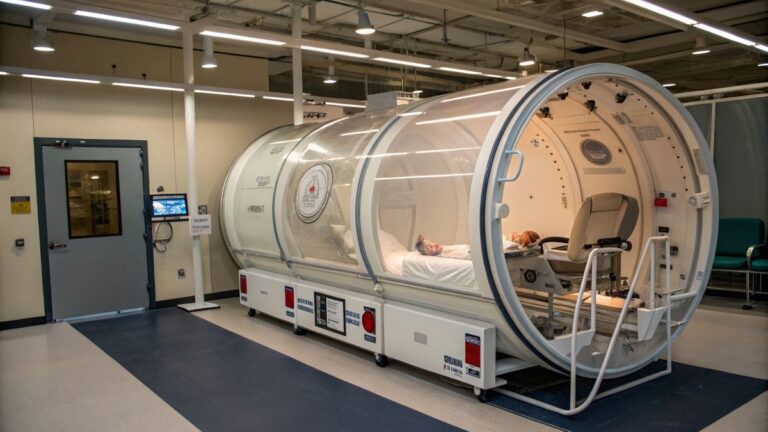
Hard-shell chambers feature rigid construction from steel, aluminum, or acrylic. They resemble small submarines or medical equipment you’d find in hospitals.
Pressure Range: 1.5 to 3.0 ATA or higher. Some clinical models reach 6.0 ATA, though home units typically max out at 3.0 ATA for safety reasons. [7]
Oxygen Delivery: The entire chamber fills with pure oxygen (100% O2 environment), eliminating the need for masks or cannulas. This provides more complete oxygen saturation.
Best For:
- Specific medical protocols requiring pressures above 1.5 ATA
- Users with serious chronic conditions
- Those seeking maximum therapeutic benefit
- Long-term investment (decades of use)
- Multiple daily users
Advantages:
- Higher pressure capabilities for more intensive therapy
- More durable construction (15-25 year lifespan)
- 100% oxygen environment (no mask needed)
- Better suited for clinical-level protocols
- Higher resale value
Limitations:
- Significantly higher cost ($30,000-$100,000+)
- Complex installation (may require electrical upgrades, ventilation systems)
- Not portable
- Higher operating costs (more electricity, maintenance)
- Requires more space
- Fire risk requires strict safety protocols (Ed. note: Pure oxygen environments are extremely flammable)
Side-by-Side Comparison
| Feature | Soft-Shell | Hard-Shell |
|---|---|---|
| Price Range | $8,000 – $20,000 | $30,000 – $100,000+ |
| Pressure (ATA) | 1.3 – 1.5 | 1.5 – 3.0+ |
| Oxygen Delivery | Mask/cannula with concentrator | 100% O2 fills entire chamber |
| Installation | Simple, plug-and-play | Complex, may need electrical work |
| Portability | Yes (most models) | No |
| Lifespan | 5-10 years | 15-25+ years |
| Operating Cost | Lower | Higher |
| Noise Level | Moderate | Higher |
| Space Required | 6-8 feet length | 7-10 feet length, dedicated room |
| Best For | Wellness, recovery, general use | Clinical protocols, serious conditions |
Most first-time home HBOT buyers choose soft-shell chambers. They provide 80-90% of the benefits at 20-30% of the cost. Unless your physician specifically recommends pressures above 1.5 ATA for a diagnosed condition, soft-shell units meet your needs. [8]
Decoding the 5 Key Technical Specifications
Beyond the soft vs. hard decision, five specifications determine chamber quality and suitability for your needs.
1. Chamber Pressure (ATA): More Isn’t Always Better

Pressure determines oxygen saturation levels in your blood plasma. Higher pressure forces more oxygen into solution, theoretically providing greater therapeutic benefit.
“But does more always equal better?” Not necessarily.
Research shows that pressures between 1.3 and 1.5 ATA provide significant benefits for wellness, recovery, and many chronic conditions. [9] The difference between 1.3 ATA and 1.5 ATA is meaningful, approximately 15% more dissolved oxygen. However, the jump from 1.5 to 2.0 ATA shows diminishing returns for most wellness applications.
Higher pressures also increase risks:
- Greater ear and sinus pressure (more painful equalization)
- Increased oxygen toxicity risk with extended sessions
- Higher cost and complexity
- More intensive safety requirements
Practical Guidance: For wellness and athletic recovery, 1.3-1.5 ATA is optimal. For specific medical conditions like non-healing wounds, radiation injury, or carbon monoxide poisoning, physicians may prescribe 2.0-2.4 ATA protocols requiring hard-shell chambers. [10]
Match the pressure to your purpose. Don’t overpay for pressure you don’t need.
2. Oxygen Source: The Role of the Oxygen Concentrator

Soft-shell chambers require an oxygen concentrator, a device that extracts oxygen from room air and concentrates it to 90-95% purity. The concentrator feeds oxygen through tubing to your mask or nasal cannula.
Concentrator Flow Rate: Measured in liters per minute (LPM). Most home HBOT setups use 5-10 LPM concentrators. Higher flow rates ensure adequate oxygen supply throughout your session. [11]
Key Considerations:
- Concentrator quality varies significantly between brands
- Medical-grade concentrators ($800-$2,000) outperform consumer models
- Noise level matters since the concentrator runs for entire sessions
- Some chambers include concentrators; others require separate purchase
Hard-shell chambers fill the entire interior with pure oxygen from tanks or oxygen generation systems. This eliminates masks but requires careful fire safety protocols.
3. Size and Orientation: Sitting vs. Lying Down

Chamber dimensions affect comfort, usability, and space requirements.
Lying Chambers: Most soft-shell and all hard-shell chambers accommodate users in a reclined or fully horizontal position. Typical dimensions are 32-40 inches in diameter and 7-9 feet in length. These work well for relaxation, sleep, or meditation during sessions.
Sitting Chambers: Some soft-shell models allow upright sitting positions. These measure 4-6 feet tall and 3-4 feet in diameter. Sitting chambers appeal to users who:
- Feel claustrophobic lying down
- Want to work on laptops during sessions
- Have mobility issues making lying down difficult
- Prefer reading or watching screens upright
Consider your height and build. A 6’3″ person needs more interior length than someone 5’5″. Most manufacturers provide detailed interior dimension specifications. Add 6 inches to your height to determine minimum comfortable chamber length.
4. Filtration and Cooling: Your Comfort Inside
Sessions last 60-90 minutes. Interior comfort matters significantly.
Air Circulation: Quality chambers include internal fans that circulate air, preventing stuffiness and heat buildup. Without circulation, chambers become uncomfortably warm after 20-30 minutes.
Cooling Systems: Some premium models integrate air conditioning or cooling units. These maintain comfortable temperatures even during summer or in warm climates. Expect to pay $1,000-$3,000 extra for built-in cooling.
Filtration: HEPA filters remove dust, allergens, and particles from incoming air. This matters for users with respiratory sensitivities or allergies.
Humidity Control: Extended sessions can create condensation inside chambers. Desiccant systems or ventilation features prevent moisture buildup and maintain air quality.
5. Safety Features: What You Must Have
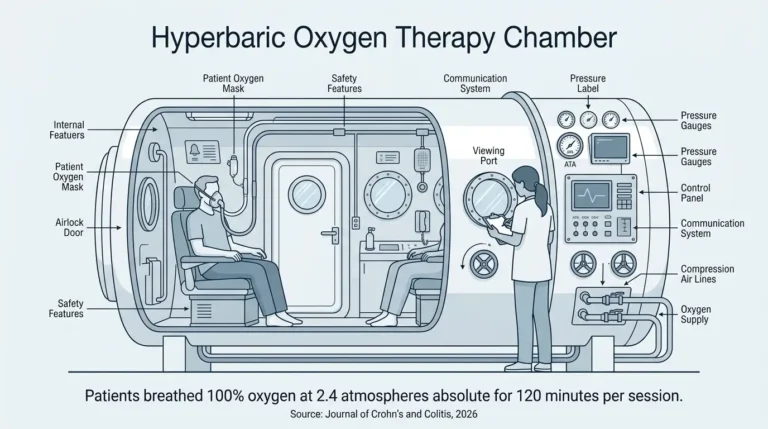
HBOT involves pressurized environments and concentrated oxygen. Non-negotiable safety features include:
Pressure Relief Valves: Automatic valves that release pressure if it exceeds safe limits. These prevent over-pressurization that could damage the chamber or harm users.
Interior Pressure Gauges: Allow you to monitor pressure levels throughout your session. Digital gauges provide more precise readings than analog versions.
Emergency Pressure Release: Interior controls that let you rapidly depressurize the chamber from inside. Critical for emergencies or if you experience severe discomfort.
Grounding Systems: Prevent static electricity buildup, which poses fire risks in oxygen-rich environments.
Fire-Resistant Materials: Chamber fabrics should meet flammability standards. Hard-shell chambers require strict no-flame protocols.
Backup Power Options: Some chambers include battery backup systems ensuring you can safely exit during power failures.
Never compromise on safety features to save money. A chamber lacking proper safety systems is dangerous regardless of its price or pressure capabilities. [12]
The User Experience: What Competitors Don’t Tell You
Specifications tell you what a chamber can do. User experience determines whether you’ll actually use it consistently.
Noise Level: What Will You Actually Hear?
Chamber noise comes from two sources: the air compressor pressurizing the chamber and the oxygen concentrator.
- Soft-Shell Chambers: Compressor noise ranges from 60-75 decibels, comparable to a normal conversation or background music. Most users find this tolerable and can sleep, meditate, or watch videos during sessions. Premium models include quieter compressors (under 65 dB).
- Hard-Shell Chambers: Typically louder due to more powerful compressors and ventilation systems. Noise levels reach 70-80 decibels, similar to a vacuum cleaner or busy traffic. Some users wear earplugs or noise-canceling headphones.
- Oxygen Concentrators: Add another 40-50 decibels. Placing the concentrator in an adjacent room or closet significantly reduces perceived noise.
“Can I really sleep in there with all that noise?” Many users do, especially with soft-shell chambers. Your brain adapts to consistent background noise within a few sessions. White noise apps or relaxing music mask mechanical sounds effectively.
Getting In and Out: Practical Mobility Concerns
Entry and exit methods vary significantly between chamber types.
- Soft-Shell Chambers: Feature large zippers running the chamber length. You unzip, climb in, lie down, and zip the chamber from inside (someone outside completes the final seal). Exiting reverses the process. Most people master entry/exit within 2-3 attempts.
- Mobility Considerations: Users with limited flexibility, joint pain, or balance issues may struggle with ground-level chambers. Some models offer raised platforms or entry assistance features.
- Hard-Shell Chambers: Use hinged doors or hatches. Entry resembles climbing into a small room. Handles and steps assist entry. These accommodate wheelchairs or users with significant mobility limitations better than soft-shell models.
- Claustrophobia Factor: Approximately 10-15% of first-time users experience mild claustrophobia. Transparent sections, interior lighting, and communication systems help. Starting with shorter 20-30 minute sessions builds comfort before advancing to full-length protocols. [13]
What to Do Inside: Combating Boredom and Claustrophobia

Sixty to ninety minutes is a long time to lie still. Successful long-term users develop routines that make sessions enjoyable rather than tedious.
Popular Activities:
- Streaming shows or movies on tablets or phones
- Reading e-books or listening to audiobooks
- Meditation or breathing exercises
- Napping or sleep
- Work calls or emails (in sitting chambers with laptop access)
- Listening to podcasts or music
Technology Integration: Most chambers accommodate phones, tablets, and small devices. Some users install tablet mounts or pillows with device holders. Bluetooth headphones work well for audio content.
Making Sessions Productive: Athletes review game footage. Business professionals catch up on industry podcasts. Students listen to educational content. Reframing HBOT time as productive rather than passive improves adherence.
The key is establishing a consistent routine. Your brain begins associating chamber time with specific activities, making sessions something you look forward to rather than endure.
The Real Cost of Ownership: Beyond the Price Tag
The purchase price represents only part of your total investment. Smart buyers calculate the complete cost picture before committing.
The Upfront Cost: Setting a Realistic Budget
Soft-Shell Chambers:
- Entry-level models: $8,000 – $12,000
- Mid-range models: $12,000 – $18,000
- Premium models: $18,000 – $25,000
Hard-Shell Chambers:
- Basic models: $30,000 – $50,000
- Mid-range models: $50,000 – $75,000
- Clinical-grade models: $75,000 – $150,000+
What Drives Price Differences:
- Chamber size and interior volume
- Maximum pressure capability
- Build quality and materials
- Included accessories (cooling systems, concentrators, communication systems)
- Warranty length and coverage
- Brand reputation and customer support
Hidden and Ongoing Costs
Shipping: Chambers weigh 50-300 pounds depending on type. Shipping costs run $200-$1,500 for soft-shell units and $2,000-$5,000 for hard-shell chambers. Many reputable retailers include free shipping, saving significant money. [14]
Installation: Soft-shell chambers require minimal setup, usually manageable by two people in 30-60 minutes. Hard-shell chambers may need professional installation costing $500-$3,000, plus potential electrical upgrades ($1,000-$5,000) if your home lacks adequate power capacity.
Electricity: Operating costs vary by chamber type and session frequency.
- Soft-shell chambers: $0.50-$1.50 per session (compressor + concentrator electricity)
- Hard-shell chambers: $2.00-$5.00 per session (higher power requirements)
Annual electricity costs for daily use:
- Soft-shell: $180-$550
- Hard-shell: $730-$1,825
Oxygen Concentrator: If not included with your chamber, budget $800-$2,000 for a quality medical-grade concentrator. These typically last 5-7 years before requiring replacement.
Maintenance and Repairs:
- Annual servicing: $200-$500
- Zipper replacements (soft-shell): $100-$300 every 3-5 years
- Seal replacements (hard-shell): $500-$1,500 every 5-7 years
- Compressor repairs: $300-$800 as needed
Accessories:
- Replacement air filters: $50-$100 annually
- Oxygen masks and cannulas: $30-$100 annually
- Mattress pads or cushions: $100-$300
Total First-Year Cost Example (Soft-Shell):
- Chamber: $15,000
- Oxygen concentrator: $1,500
- Shipping: $0 (free from reputable retailer)
- Electricity: $365
- Maintenance: $250
- Accessories: $150
- Total: $17,265
Total First-Year Cost Example (Hard-Shell):
- Chamber: $60,000
- Installation: $2,000
- Electrical upgrades: $3,000
- Shipping: $0 (included)
- Electricity: $1,460
- Maintenance: $400
- Accessories: $200
- Total: $67,060

Reputable Retailers & Recommended Chambers
Purchasing a hyperbaric chamber differs from typical online shopping. You’re investing in specialized medical equipment requiring expert guidance, proper warranty support, and reliable customer service.
Why Buying from a Specialized Retailer is Smart & Safe
“Should I really buy something this expensive online?”
Yes, when you choose the right retailer. Specialized HBOT retailers offer advantages that general marketplaces and direct manufacturer purchases cannot match.
Key Benefits to Look For:
- Financing Options: Quality retailers partner with services like Klarna, Affirm, or medical equipment financing companies. These programs break large purchases into manageable monthly payments, often with 0% interest for qualified buyers. A $15,000 chamber becomes $250-$300 monthly over 60 months.
- Price Match Guarantees: Reputable sellers match competitor pricing, ensuring you get the best available price without extensive comparison shopping. This protection matters in a market where prices vary significantly between sellers.
- Free Shipping: Chambers are large, heavy items. Shipping costs can exceed $1,000. Retailers absorbing these costs save you substantial money while ensuring proper handling and delivery.
- Expert Customer Support: Specialized retailers employ staff trained in HBOT technology. They answer technical questions, help you select appropriate models, troubleshoot issues, and provide ongoing support. This expertise is invaluable for first-time buyers navigating complex decisions.
- Clear Warranty & Return Policies: Established retailers offer transparent warranties (typically 1-5 years depending on chamber type) and reasonable return windows. This protection matters when investing thousands of dollars. Direct manufacturer purchases often lack robust return policies or require you to navigate warranty claims internationally. [15]
- Setup Assistance: Many retailers provide setup videos, phone support during installation, and troubleshooting guidance. Some offer optional white-glove installation services for complex hard-shell units.
Recommended Retailers and Models
Two retailers consistently earn positive reviews for customer service, product quality, and buyer protection: Oxygen Health Systems and Hyperbaric Pro.
Both offer the key benefits outlined above and maintain extensive inventories of reputable chamber brands.
For an Accessible Entry-Point (Soft-Shell):
Consider the Summit to Sea Grand Dive from Oxygen Health Systems. This 1.3 ATA chamber is one of the most popular soft-shell models in the home HBOT market.

Users praise its spacious interior (40-inch diameter), durable construction, and reliable performance. The Grand Dive accommodates users up to 6’6″ tall and 300 pounds comfortably. Pricing typically ranges from $12,000-$15,000 depending on included accessories. The chamber includes a 5-year warranty and comes with setup support. [16]
For a Seated or Upright Experience (Soft-Shell):
If lying down triggers claustrophobia or you prefer working during sessions, look at the Oxyflow 1.3 ATA Sitting HBOT chamber available at Oxygen Health Systems.

This vertical chamber allows you to sit upright, use a laptop, read, or work on your phone comfortably. The sitting design measures approximately 4 feet tall and 3 feet in diameter, requiring less floor space than horizontal chambers. It operates at 1.3 ATA and includes an interior bench seat. Pricing ranges from $9,000-$13,000. The upright orientation makes entry and exit significantly easier for users with mobility limitations or joint pain. [17]
For a More Advanced Setup (Hard-Shell):
Users seeking higher pressures and clinical-grade therapy should explore models like this 40-Inch Black Hard Shell Hyperbaric Oxygen Chamber – 2.0 ATA sold by Hyperbaric PRO.

This hard-shell chamber reaches 2.0 ATA and features a spacious interior with acrylic viewing windows that reduce claustrophobia. The unit includes advanced safety systems, interior communication, and medical-grade construction.
Retailers like HyperbaricPRO guide buyers through the more complex purchase and installation process for these units, including coordinating electrical requirements and delivery logistics. Expect pricing from $45,000-$65,000 depending on configuration and included features. [18]
Important Note: These recommendations represent starting points for your research. Both Oxygen Health Systems and Hyperbaric Pro carry multiple brands and models. Browse their full collections to find the chamber that matches your specific needs, space constraints, and budget. Request detailed specifications, ask about current promotions, and don’t hesitate to call their support teams with questions.
How to Choose a Reputable Brand
Not all chamber manufacturers maintain equal quality standards or customer support. Several indicators separate trustworthy brands from questionable ones.

Key Indicators of Quality and Trust
- FDA Clearance/Approval: In the United States, chambers operating above 1.3 ATA intended for medical use require FDA clearance. Chambers at 1.3 ATA marketed for wellness fall into a regulatory gray area. Reputable manufacturers pursue FDA registration even when not strictly required, demonstrating commitment to safety standards. Verify FDA registration through the manufacturer’s website or FDA database searches. [19]
- Warranty Length and Terms: Quality manufacturers stand behind their products with substantial warranties:
- Soft-shell chambers: 3-5 year warranties on chamber materials, 1-2 years on compressors
- Hard-shell chambers: 5-10 year warranties on structural components, 1-3 years on mechanical systems
Read warranty terms carefully. What’s covered? What’s excluded? Who handles repairs? Are parts readily available? Warranties mean nothing if the company doesn’t honor them or lacks replacement parts.
- Customer Support Availability: Can you reach the manufacturer or retailer when problems arise? Quality companies provide:
- Phone support during business hours
- Email support with 24-48 hour response times
- Setup and troubleshooting resources (videos, manuals, FAQs)
- Technician networks for repairs
Test customer support before purchasing. Call with questions. Evaluate response quality and helpfulness. Companies with poor pre-sale support will provide worse post-sale service.
- Third-Party User Reviews & Testimonials: Search for reviews on independent platforms, not just manufacturer websites. Look for:
- Consistent positive feedback across multiple sources
- Detailed reviews describing long-term use (6+ months)
- How companies handle complaints or problems
- Red flags like repeated quality issues or unresponsive customer service
Be skeptical of brands with only glowing reviews or no negative feedback. Real products have occasional issues. How companies handle problems matters more than perfection.
- Industry Reputation: Established brands like Summit to Sea, Newtowne, OxyHealth, and Sechrist have decades of experience and thousands of units in operation. Newer brands aren’t necessarily inferior, but established companies have proven track records and stable operations.
- Manufacturing Location: Chamber manufacturing occurs primarily in the United States, China, and Eastern Europe. U.S.-manufactured chambers typically cost more but offer easier warranty service and parts availability. Chinese-manufactured chambers can provide good value but may have longer lead times for repairs. Know where your chamber is made and how that affects support.
🚩 Avoid These Red Flags:
- Companies unwilling to provide detailed specifications
- Prices significantly below market rates (likely poor quality or hidden costs)
- Lack of physical address or verifiable business information
- Pressure tactics or limited-time offers creating false urgency
- Unwillingness to answer technical questions
- No clear warranty or return policy
Making Your Final Choice
Choosing a home hyperbaric chamber requires balancing multiple factors: your health goals, budget, space constraints, and commitment to consistent use. Use this checklist to guide your decision:
Confirm Home Use is Right for You:
- You need 20+ sessions, making home ownership cost-effective
- You have space for the chamber (7-10 feet length, dedicated area)
- You’re committed to consistent, long-term use
- Multiple family members will benefit from access
Choose Your Chamber Type:
- Soft-shell for wellness, recovery, and general use (1.3-1.5 ATA)
- Hard-shell for clinical protocols requiring higher pressures (2.0+ ATA)
- Sitting vs. lying orientation based on comfort and mobility
Verify the 5 Key Specifications:
- Appropriate pressure level for your needs
- Quality oxygen concentrator (5-10 LPM for soft-shell)
- Size accommodates your height and build comfortably
- Adequate cooling and filtration systems
- All essential safety features present
Calculate the Real Cost:
- Purchase price fits your budget
- Ongoing costs (electricity, maintenance) are manageable
- Financing options available if needed
- Total cost still beats clinic sessions over 2-3 years
Select a Trusted Brand & Retailer:
- FDA clearance or registration verified
- Solid warranty (3+ years for soft-shell, 5+ for hard-shell)
- Responsive customer support tested
- Positive third-party reviews confirmed
- Retailer offers price match, free shipping, and clear return policy
A home hyperbaric chamber represents a significant investment in your health and wellbeing. Take time to research thoroughly, ask questions, and choose equipment that matches your specific needs. The right chamber, used consistently, can provide years of therapeutic benefit and pay for itself many times over through improved health outcomes and avoided clinic costs.
Invest wisely. Your health deserves equipment that’s safe, effective, and built to last.
FAQ
References
- [1] Undersea and Hyperbaric Medical Society – “What is Hyperbaric Oxygen Therapy?” – 2024
- [2] American College of Hyperbaric Medicine – “HBOT Cost Analysis and Insurance Coverage” – 2024
- [3] Journal of Hyperbaric Medicine – “Cost-Effectiveness of Home vs. Clinical HBOT” – 2023
- [4] International Hyperbaric Association – “Expert Perspectives on Home HBOT” – 2024
- [5] Journal of Alternative and Complementary Medicine – “Treatment Adherence in Home-Based HBOT Programs” – 2023
- [6] Undersea and Hyperbaric Medical Society – “Understanding ATA Pressure Measurements” – 2024
- [7] FDA Medical Device Database – “Hyperbaric Chamber Classifications and Specifications” – 2024
- [8] Hyperbaric Medicine Today – “Optimal Pressure Ranges for Home HBOT Applications” – 2024
- [9] Diving and Hyperbaric Medicine Journal – “Therapeutic Efficacy at Different Pressure Levels” – 2023
- [10] Mayo Clinic – “Hyperbaric Oxygen Therapy: Medical Applications” – 2024
- [11] American Association for Respiratory Care – “Oxygen Concentrator Standards and Specifications” – 2024
- [12] National Fire Protection Association – “Safety Standards for Hyperbaric Facilities” – 2024
- [13] Journal of Clinical Psychology – “Managing Claustrophobia in Hyperbaric Environments” – 2023
- [14] Consumer Reports – “Medical Equipment Shipping and Handling Costs” – 2024
- [15] Better Business Bureau – “Evaluating Medical Equipment Retailers” – 2024
- [16] Oxygen Health Systems – “Summit to Sea Grand Dive Specifications” – 2025
- [17] Hyperbaric Pro – “Newtowne Wellness Pro Sitting Chamber Details” – 2025
- [18] Oxygen Health Systems – “AHA Fit 22 Hard-Shell Chamber Information” – 2025
- [19] FDA – “Medical Device Registration and Listing” – 2024
- [20] Hyperbaric Manufacturers Association – “Chamber Lifespan and Maintenance Guidelines” – 2024
- [21] Health Law Institute – “Regulatory Requirements for Home Medical Devices” – 2024
- [22] American Board of Undersea Medicine – “Safety Protocols for Independent HBOT Use” – 2024
- [23] Consumer Product Safety Commission – “Home Medical Equipment Setup and Use” – 2024