Bryan Johnson, the 47-year-old tech entrepreneur spending an estimated $2 million annually on his Blueprint longevity protocol, has released data from his latest experiment: 60 sessions of hyperbaric oxygen therapy over 90 days.
He calls it the most effective longevity therapy he has done to date. The numbers are striking. The caveats are real.
- Johnson completed 60 HBOT sessions at 2 ATA in a hard-shell ZEUGMA chamber over 90 days and reported his systemic inflammation dropped below detection limits.
- A 2020 clinical trial at Shamir Medical Center in Israel found HBOT increased telomere length by 20 to 38% in circulating immune cells of adults over 64, though the study had no control group and only 25 to 30 participants.
- Johnson reported a 300% increase in VEGF (vascular endothelial growth factor), a 28.6% reduction in the dementia marker pTau217, and telomerase activity matching that of a 12-year-old.
- His gut microbiome markers improved substantially, with short-chain fatty acids rising 148%, n-butyrate rising 192%, and metabolic imbalance score dropping from 7 to 0.
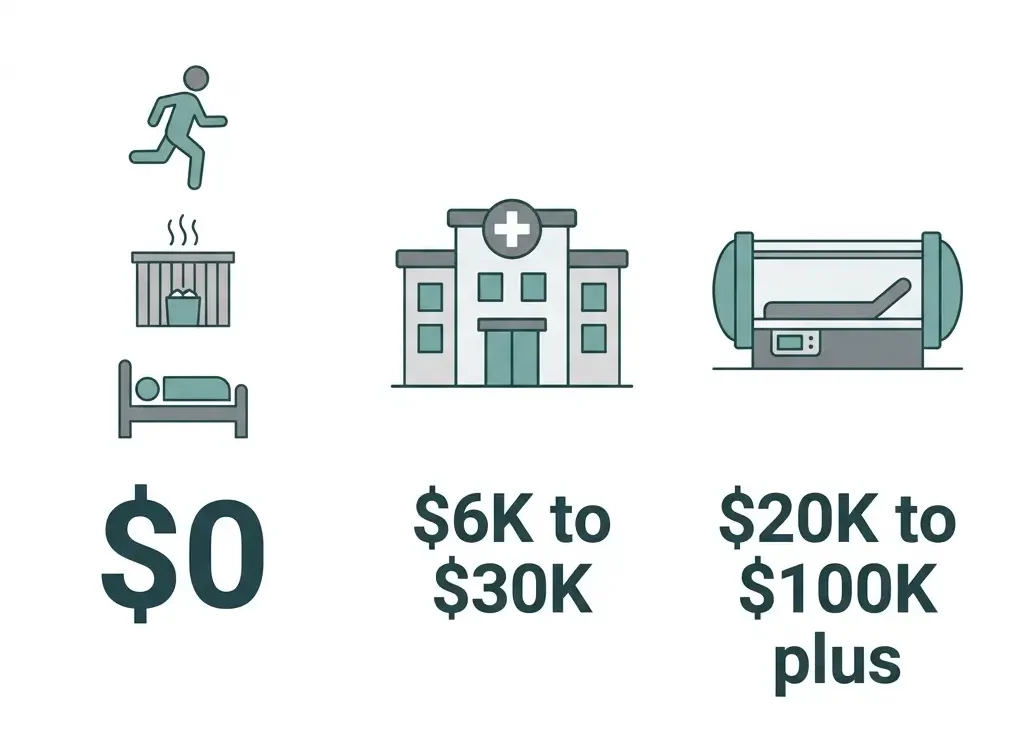
- Free or low-cost activities, including exercise, sauna, sleep, Mediterranean-style nutrition, and meditation, can target some of the same biomarkers HBOT affects.
Johnson shared his full protocol and biomarker results in a February 2026 newsletter and on his social channels.
The protocol consisted of 90-minute sessions at 2 ATA, five days per week, breathing 100% oxygen through a mask in 20-minute intervals separated by 5-minute breaks.
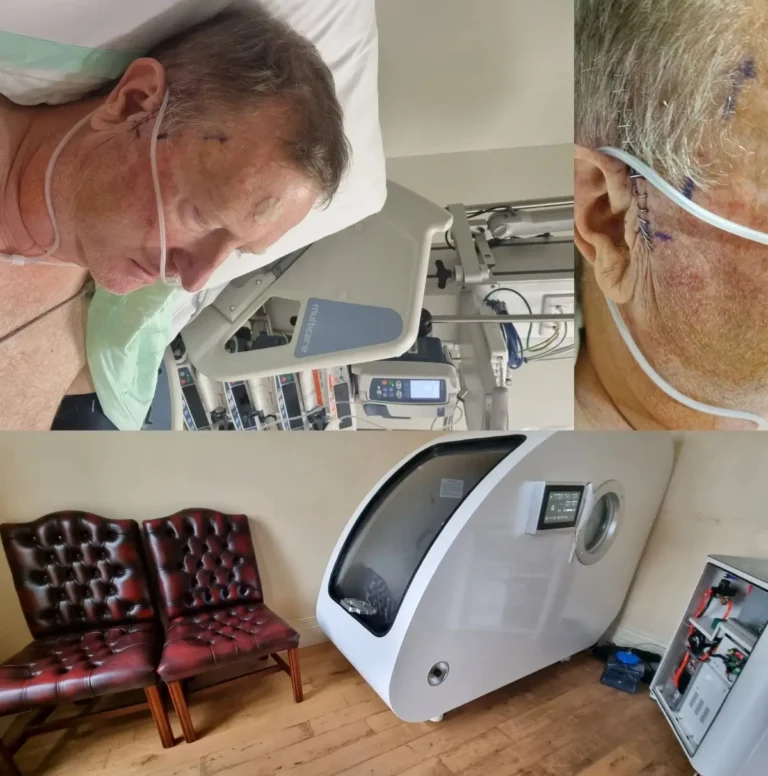
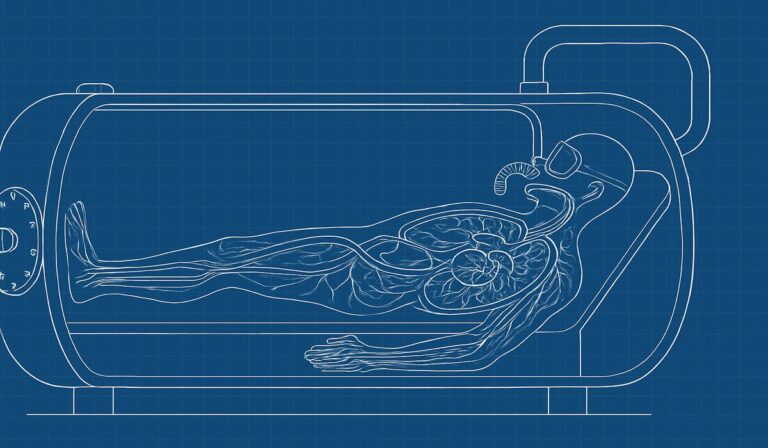
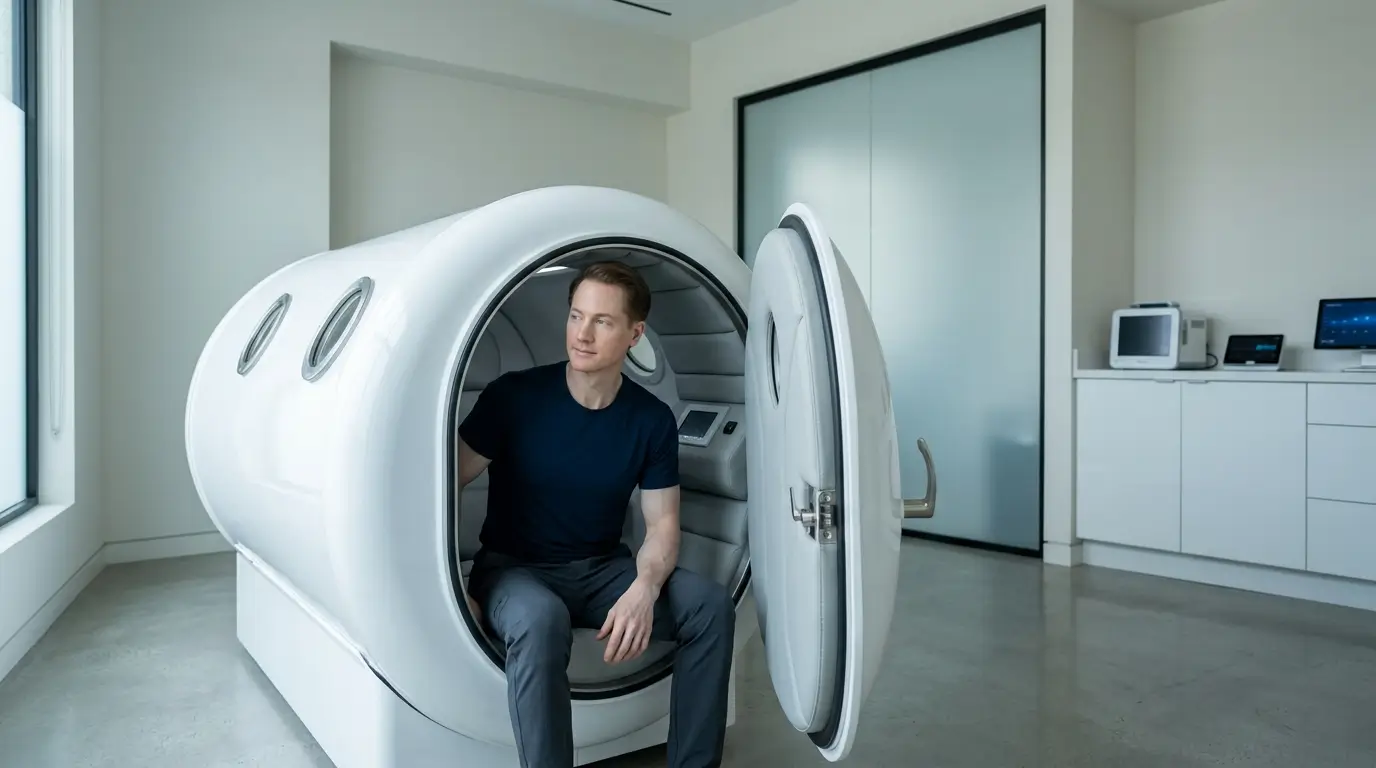
The chamber itself was a ZEUGMA hard-shell monoplace unit from HPO Tech. Inside, the ambient oxygen level stayed at 21%, matching normal atmospheric concentration. The 100% oxygen was delivered only through the mask.
This distinction matters. Some chambers fill entirely with pure oxygen, which creates a fire hazard. Johnson specifically warned against bringing electronics into any HBOT chamber for this reason.
So what did 5,400 minutes of pressurized oxygen breathing do to his biology?
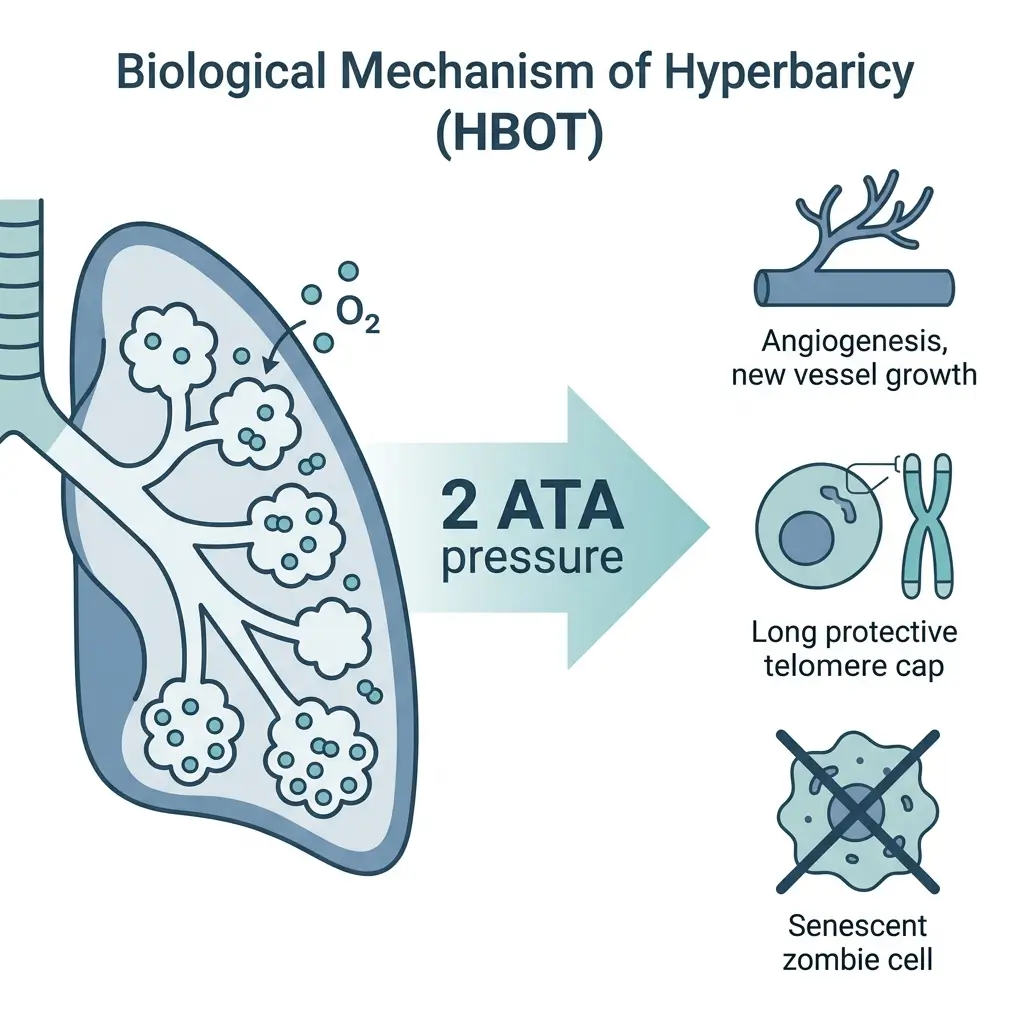
His team ran pre- and post-HBOT blood panels, gut tests, and skin assessments. According to Johnson’s published data, his systemic inflammation markers fell below the detection threshold of the assay.
Before starting, they were already in the top 5% of 18-to-29-year-olds. A secondary confirmation, CRPm (an epigenetic biomarker proxy for inflammation), placed him in the lowest 1%.
His VEGF, the protein responsible for forming new blood vessels, increased by 300%. This lines up with published research showing that HBOT induces HIF-1alpha signaling, which in turn drives VEGF production and promotes angiogenesis.
Johnson also reported that his muscle oxygenation improved, reaching the same exercise wattage output at more than double the previous oxygenation level.
On telomeres, Johnson reported telomerase activity of 7.7%, which he says is equivalent to that of a 12-year-old. The peer-reviewed evidence supporting HBOT’s effect on telomere biology comes primarily from a 2020 prospective trial led by researchers at Shamir Medical Center in Israel.
That study enrolled 35 adults over age 64 and put them through 60 daily HBOT sessions at 2 ATA, the same protocol Johnson followed. Results showed telomere length increases of 20 to 38% across T helper, T cytotoxic, natural killer, and B cells. Senescent T helper cells decreased by 37.3%.
(Ed. note: The Israeli study had no control group and analyzed only 25 to 30 participants depending on the metric. The authors acknowledged these limitations.
Skeptics like those at Fight Aging! have pointed out that immune cell telomere length is a volatile marker influenced by infection status, replication pace, and environmental factors, making it a poor proxy for whole-body aging.)
Johnson’s gut data showed one of the more dramatic shifts. His Akkermansia muciniphila, a bacterium linked to metabolic health, went from undetectable to 4.2E4 CFU/g. Short-chain fatty acids rose from 22.5 to 55.8 micromol/g. N-butyrate concentration nearly tripled, from 3.8 to 11.1 micromol/g. His metabolic imbalance score dropped from 7 (high) to 0 (ideal), and he noted that his diet did not change during the experiment.
Gut Microbiome: Before and After 60 HBOT Sessions
Went from undetectable (0 CFU/g) to 42,000 CFU/g after 60 sessions. This bacterium is associated with metabolic health and gut barrier integrity.
Johnson reported no significant changes to his diet during the 90-day protocol.
On brain health, Johnson reported a 28.6% reduction in pTau217, from 0.14 to 0.1 pg/mL. This phosphoprotein is a well-established marker for Alzheimer’s pathology.
The FDA cleared the first blood test using pTau217 for Alzheimer’s diagnosis in May 2025. Levels above 0.18 pg/mL are potentially indicative of plaque accumulation in the brain. Johnson’s post-HBOT reading of 0.1 pg/mL is well below that threshold.
A separate preclinical and clinical study published in Aging found that HBOT improved vascular function and reduced amyloid burden in both an Alzheimer’s mouse model and in six elderly patients.
His skin results were modest on paper but visually notable, at least according to Johnson. His measured facial skin age went from 39 to 38 years old. His UV spots score improved from the 55th to the 68th percentile.
Johnson attributed this to removal of advanced glycation end-products from the skin, likely driven by improved vascularization. He described the improvement in skin quality as the most dramatic he has observed from any therapy.
Two randomized clinical trials support HBOT’s effects on physical performance. One, conducted on middle-aged elite athletes (ages 40 to 50), found improvements in VO2 max.
A second study on healthy adults over age 64 found similar VO2 max gains, along with improved cardiac perfusion. Both studies were conducted by the same Israeli research group at the Sagol Center for Hyperbaric Medicine and Research.
For people who cannot access HBOT, Johnson offered a list of alternatives that overlap with some of the same biomarkers:
- sauna (linked to reduced inflammation and pTau217),
- sleep (sleep loss is tied to shorter telomeres in men and increased tau signaling),
- exercise (reduces inflammation and increases VEGF),
- Mediterranean-style nutrition (linked to longer telomeres and higher gut microbiota diversity),
- meditation (linked to longer telomeres, particularly in women), and
- smart UV exposure management (chronic UV exposure drives 80 to 90% of visible facial aging).
The cost barrier is real. Professional-grade hard-shell chambers like the one Johnson uses range from $20,000 to over $100,000, plus installation and oxygen supplies. Individual sessions at medical centers typically cost $100 to $500 each. A 60-session protocol at a clinic could run $6,000 to $30,000.
The scientific backing for HBOT in longevity contexts is growing but still early. The landmark telomere study had no control group. The Alzheimer’s study included only six human patients.
And as Harvard Health has noted, HBOT has well-established FDA-approved uses for wound healing, carbon monoxide poisoning, and radiation injuries, but its application for longevity and anti-aging remains off-label.
Johnson’s results are from a single individual with a budget, team, and lifestyle most people will never replicate. His baseline biomarkers were already elite before he started. The data is self-reported through his own platform. No independent lab has published a verification of his specific results.
That said, the directionality of his findings aligns with published research. HBOT does increase VEGF. It does affect telomere biology in immune cells. It does reduce markers of senescence.
Whether those effects translate to meaningful lifespan extension or disease prevention in the general population remains an open question, one that will require larger, controlled trials to answer.
References
- Hachmo, Y., et al. “Hyperbaric oxygen therapy increases telomere length and decreases immunosenescence in isolated blood cells: a prospective trial.” Aging, November 2020. https://pmc.ncbi.nlm.nih.gov/articles/PMC7746357/
- Shapira, R., et al. “Hyperbaric oxygen therapy alleviates vascular dysfunction and amyloid burden in an Alzheimer’s disease mouse model and in elderly patients.” Aging, September 2021. https://pubmed.ncbi.nlm.nih.gov/34499614/
- Hadanny, A., et al. “Physical enhancement of older adults using hyperbaric oxygen: a randomized controlled trial.” PMC, July 2024. https://pmc.ncbi.nlm.nih.gov/articles/PMC11220959/
- HPO Tech. “Bryan Johnson’s HBOT experiment with the ZEUGMA hyperbaric chamber.” December 2024. https://www.hpotech.com/2024/12/10/bryan-johnson-hbot-experiment-with-the-zeugma-hyperbaric-chamber/
- FDA. “FDA Clears First Blood Test Used in Diagnosing Alzheimer’s Disease.” May 2025. https://www.fda.gov/news-events/press-announcements/fda-clears-first-blood-test-used-diagnosing-alzheimers-disease
- Harvard Health Publishing. “Hyperbaric oxygen therapy: Evidence-based uses and unproven claims.” December 2024. https://www.health.harvard.edu/staying-healthy/hyperbaric-oxygen-therapy-evidence-based-uses-and-unproven-claims
- Fight Aging! “Overhyping the Effects of Hyperbaric Oxygen Treatment on Aging.” November 2020. https://www.fightaging.org/archives/2020/11/overhyping-the-effects-of-hyperbaric-oxygen-treatment-on-aging/
- Economic Times. “Will Bryan Johnson’s oxygen therapy help him ‘live forever’?” June 2025. https://m.economictimes.com/magazines/panache/will-bryan-johnsons-oxygen-therapy-help-him-live-forever-biohacker-claims-90-day-experiment-gave-him-the-biology-of-a-10-year-old/articleshow/121577181.cms
- HBOT Research. “Bryan Johnson’s 90-Day Hyperbaric Oxygen Experiment.” September 2025. https://hbotresearch.org/bryan-johnsons-90-day-hyperbaric-oxygen-experiment/
- Yan, L., et al. “Hyperbaric oxygen therapy: future prospects in regenerative therapy.” PMC, 2024. https://pmc.ncbi.nlm.nih.gov/articles/PMC11097100/